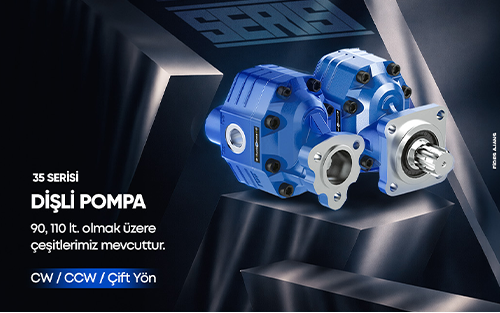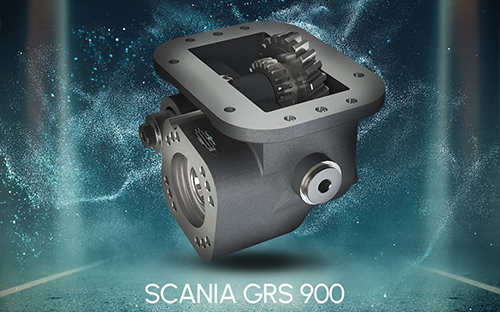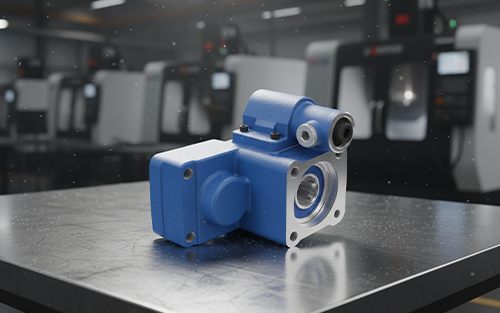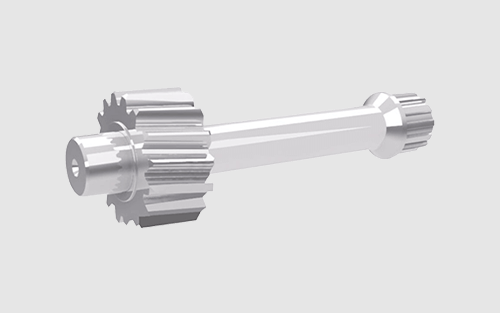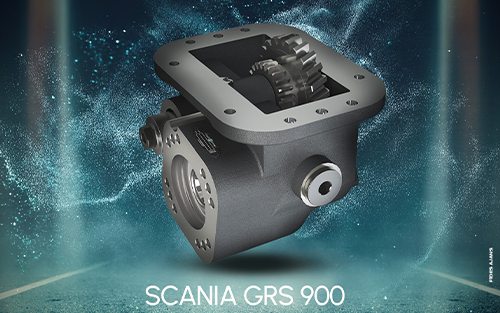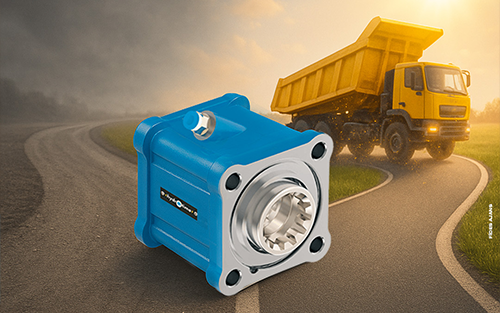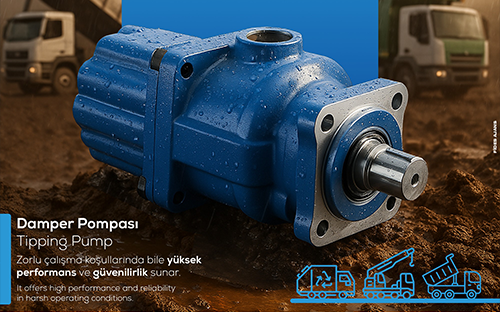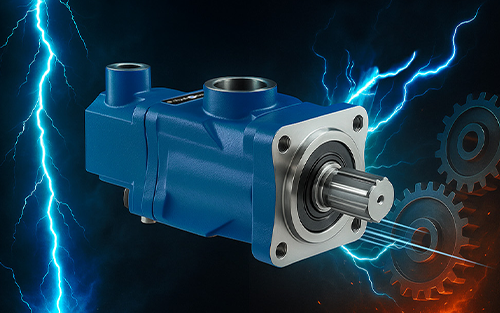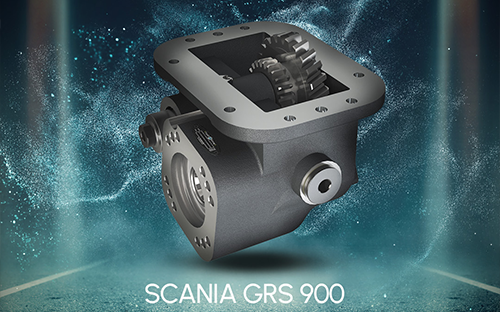
PTO, short for Power Take Off, is a mechanical power transmission system that enables engine or transmission power to be transferred to auxiliary equipment in vehicles and machinery. Commonly used in trucks, tractors, construction equipment, and industrial machines, PTO systems allow a single engine to perform multiple functions such as operating hydraulic pumps, tipping systems, cranes, compressors, or water pumps.
In modern transportation, agriculture, and industrial sectors, PTO systems play a critical role in improving efficiency, functionality, and operational flexibility.
A PTO (Power Take Off) is an auxiliary power output mechanism mounted on a vehicle’s engine or transmission. It transfers rotational power from the main engine to external mechanical or hydraulic systems. In many regions, PTOs are also referred to as auxiliary gearboxes.
The primary purpose of a PTO is to make engine power available for equipment that requires motion, pressure, or torque, without the need for a separate power source.
A PTO operates by engaging with the vehicle’s transmission. When activated, the PTO uses a gear mechanism to transfer engine torque to a connected system such as a hydraulic pump or mechanical drive.
For example, in a tipper truck, activating the PTO allows engine power to drive the hydraulic pump, which raises the truck bed. The same principle applies to cranes, water pumps, and industrial machinery.
This system ensures efficient power transfer while maintaining controlled and reliable operation.
PTO systems are used across a wide range of applications and industries, including:
Tipper trucks and trailer lifting systems
Tractors and agricultural machinery
Crane trucks and recovery vehicles
Fire trucks and water pumping systems
Road sweepers and municipal cleaning vehicles
Hydraulic presses and industrial production equipment
Wherever engine power needs to be transferred to auxiliary equipment, a PTO system is essential.
Depending on the application and control method, PTO systems are available in different types:
Mechanical PTO – manually engaged, simple and durable
Pneumatic PTO – air-controlled, commonly used in commercial vehicles
Hydraulic PTO – designed for high-torque, heavy-duty applications
Choosing the correct PTO type is crucial for performance, safety, and long service life.
PTO prices vary depending on several factors, including:
Vehicle and transmission compatibility
Torque and power capacity
Type of PTO (mechanical, pneumatic, or hydraulic)
Manufacturing quality and materials
Local or imported production
While high-capacity PTO systems generally cost more, a high-quality PTO offers lower maintenance costs, improved reliability, and longer operational life.
Selecting the right PTO is critical for system efficiency and durability. Key considerations include:
Compatibility with the vehicle and transmission
Required torque and operating conditions
Type of equipment to be powered
Availability of spare parts and technical support
Warranty period and quality certifications
An incorrect PTO selection can lead to power loss, overheating, mechanical failures, and increased operating costs.